
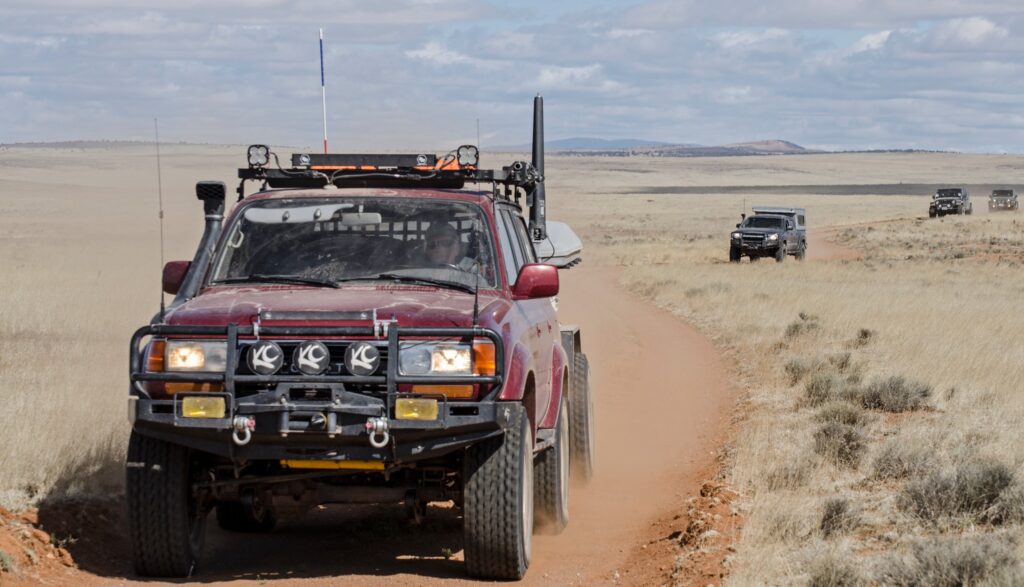
Overlanding is one of the fastest-growing forms of outdoor recreation in the world—but it’s also one of the most misunderstood. At its core, overlanding is not about the vehicle. It’s not about the gear. It’s not even about how far you travel.
And today, responsible overlanding matters more than ever.
A Simple Definition of Overlanding
Unlike off-roading, which focuses on technical driving challenges, or car camping, which centers around a campsite, overlanding blends travel, exploration, navigation, camping, and self-sufficiency into one experience.
Overlanding is typically defined as: Self-reliant travel to remote destinations, where the journey THE JOURNEY itself is the primary goal.
It can last a weekend—or span years over multiple continents.
But here’s the important part: Overlanding depends entirely on access to public lands and responsible use of shared spaces both in the United States and abroad.
That’s where education becomes essential.
Why Responsible Overlanding Matters
As overlanding has grown in popularity, so has its impact. More travelers are venturing into remote areas than ever before, which brings increased pressure on public lands, fragile ecosystems, remote trail systems, small rural communities, and the search and rescue teams that respond when things go wrong. Growth itself isn’t the problem—how we manage that growth is what determines the long-term future of access.
Irresponsible travel, whether intentional or simply the result of inexperience, can have lasting consequences. Damaged trails, environmental degradation, and preventable emergencies can lead to tighter regulations, restricted vehicle access, and, in some cases, permanent closures. Each negative impact makes it harder for everyone to continue exploring the places they love.
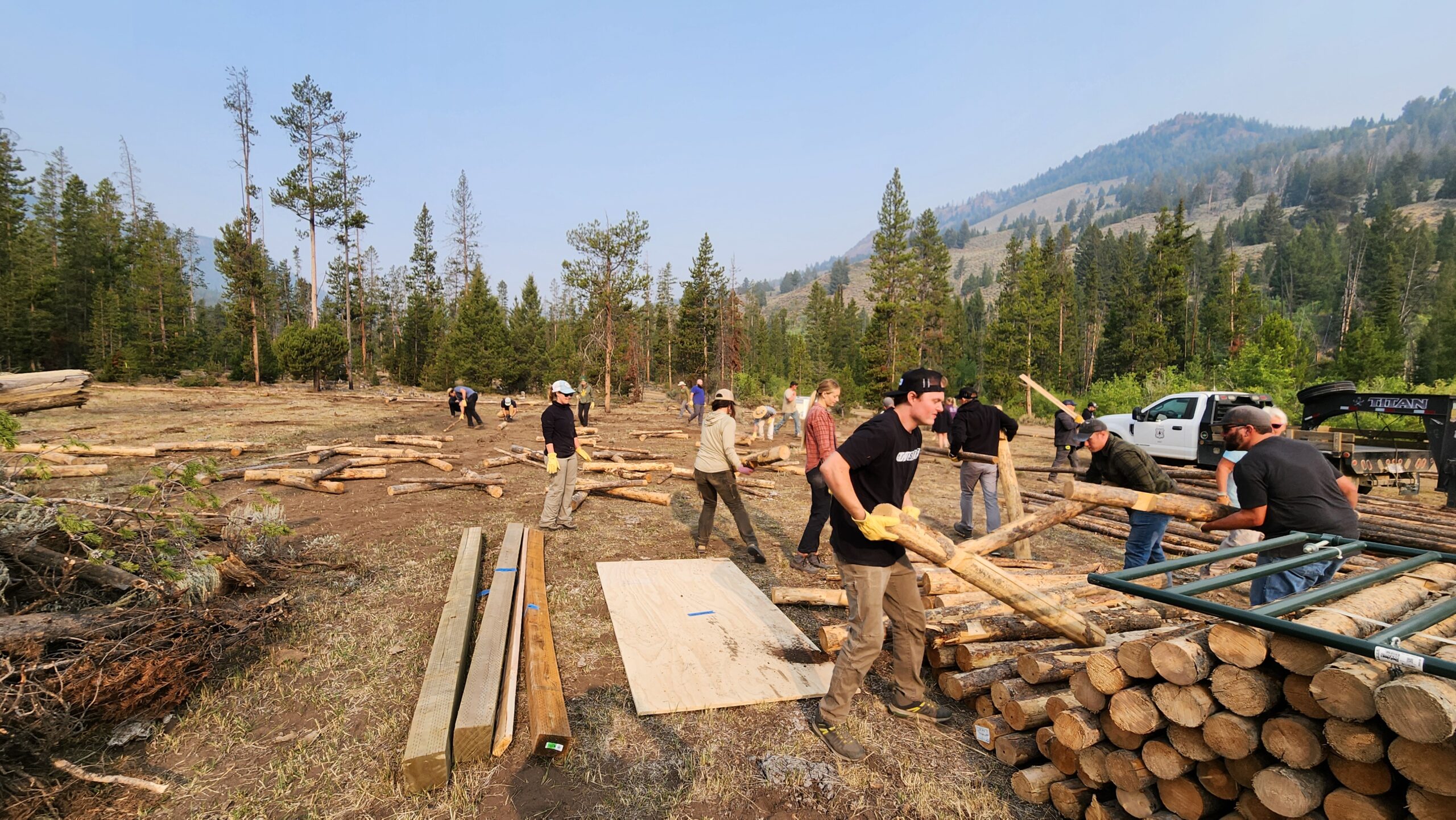
If we want to preserve the freedom to travel through wild places, we must take responsibility for protecting them. That’s why education is not optional in overlanding—it’s foundational. Knowledge helps travelers make better decisions, reduce their impact, and move through the backcountry with confidence and care.
The Role of Education in Modern Overlanding
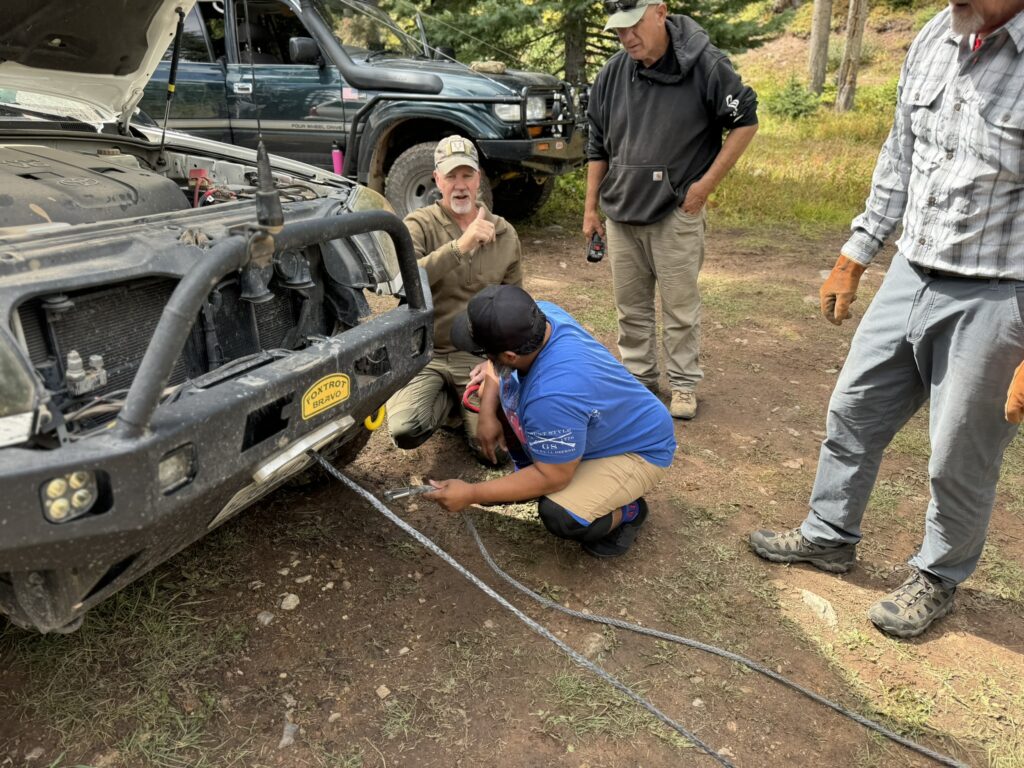
Today, many people discover overlanding through social media, vehicle builds, and gear-focused content. While that inspiration can spark a desire to explore, it often leaves out the essential skills and knowledge that make remote travel safe and sustainable. Important topics like Leave No Trace principles, risk management, navigation, human waste disposal, trail ethics, and emergency preparedness are not always part of the entry point.
Without that foundation, new travelers may head into the backcountry unprepared, not realizing the impact of their actions or the risks involved. Education fills that gap. It gives people the tools to travel responsibly, protect the environments they visit, and build confidence through competence rather than relying on equipment alone.
This need for accessible, structured learning is exactly why the Overland Expo Foundation exists.
What the Overland Expo Foundation Does
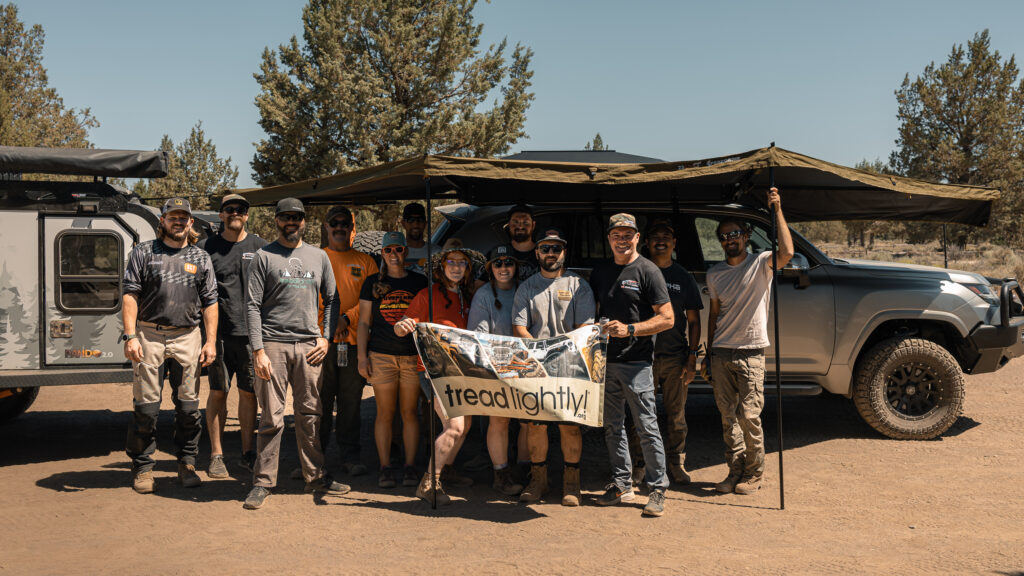
The Overland Expo Foundation is a nonprofit organization dedicated to strengthening the overlanding community through education, stewardship, and responsible travel advocacy. Its work centers on funding and supporting educational initiatives, promoting best practices for low-impact travel, protecting public land access, and providing resources that help people build real-world skills.
As the community continues to grow, the foundation’s role becomes even more important. Its mission is to help ensure that increased interest in overlanding leads to greater awareness and responsibility, not greater impact. By supporting programs that teach safe travel, conservation-minded practices, and backcountry preparedness, the foundation helps shape a culture rooted in respect for the land and for one another.
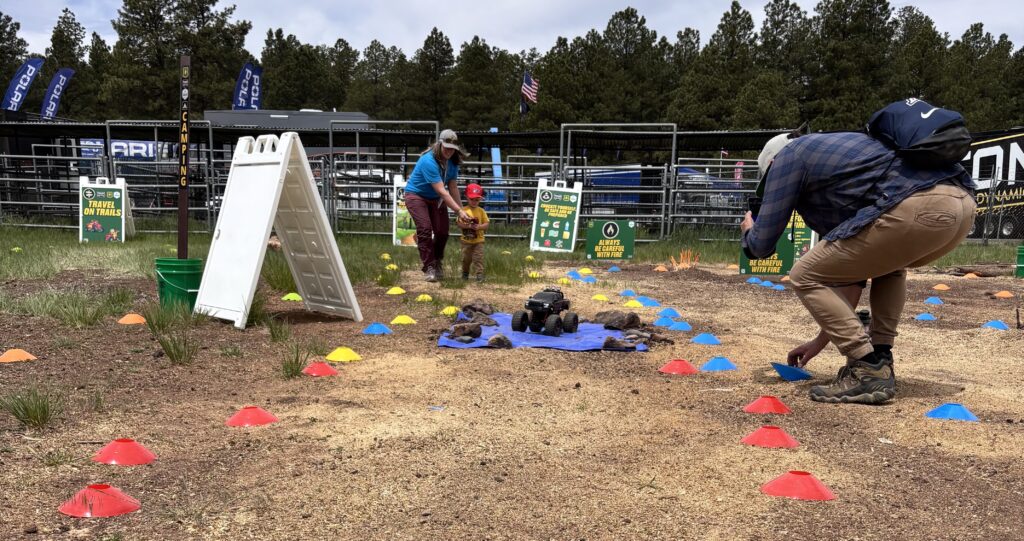
Through education initiatives, grants, and awareness campaigns, the foundation works to reduce environmental impact, improve safety in remote travel, encourage stewardship of public lands, and support long-term access for future generations. Overlanding has a future only if we actively protect it, and education is one of the most powerful tools we have to make that happen.
Overlanding vs. Off-Roading vs. Car Camping
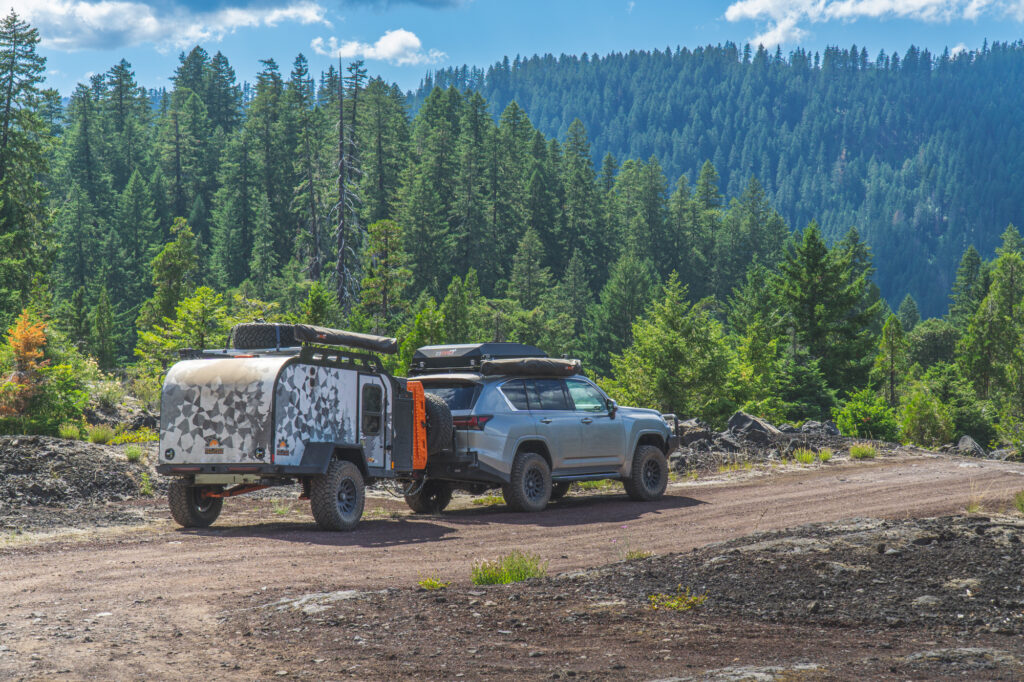
Understanding the difference (and the similarities) between overlanding, off-roading, and car camping helps clarify why responsibility is central. While there is nuance between each segment, there are far more similarities than differences. No matter where you land in the following vinn-diagram, each of us has a responsibility to be good stewards.
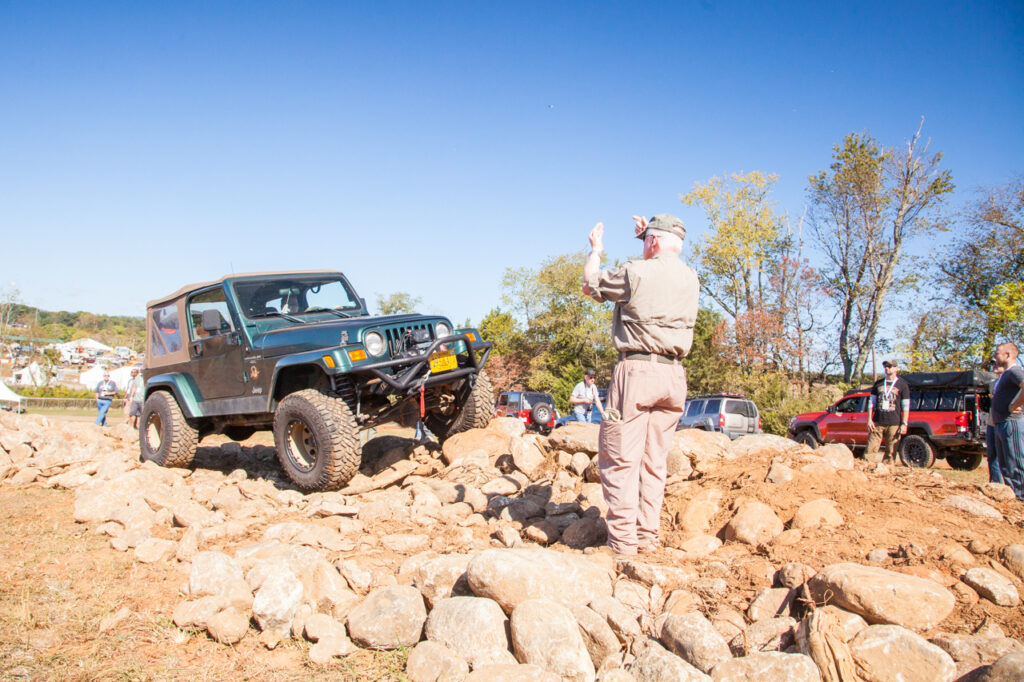
Off-Roading- Focused primarily on vehicle capability and technical terrain challenges.
Car Camping- Typically short trips centered around established campgrounds.
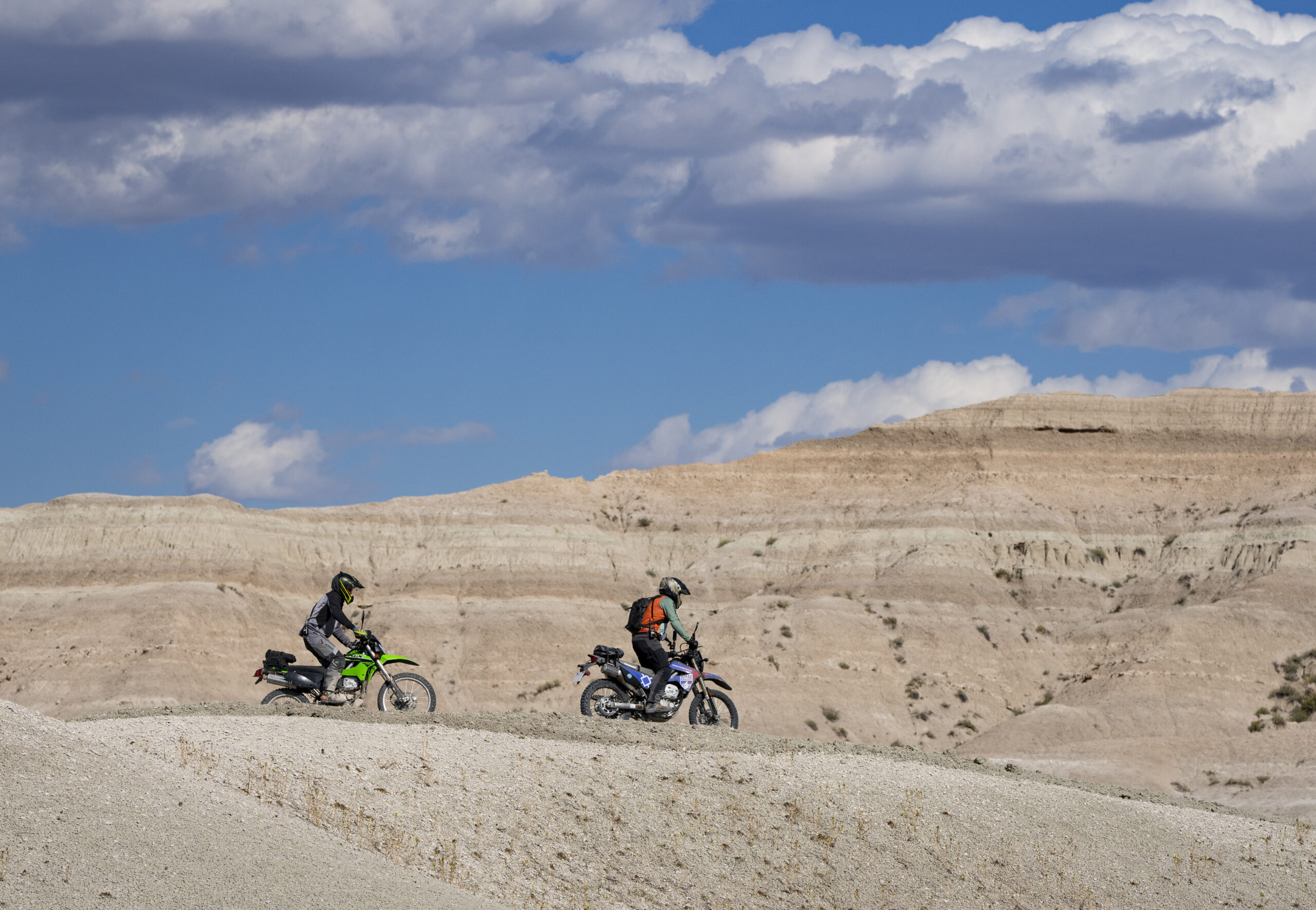
Overlanding- Longer, self-reliant travel to remote areas, combining navigation, camping, vehicle skills, and exploration of new cultures and places.
Because overlanding often takes place on public lands and fragile backcountry routes, the impact—positive or negative—can be amplified. High-quality overlanding education makes the difference.
The Core Skills Every Beginner Overlander Should Learn
If you’re new to overlanding, focus on learning before upgrading. It is tempting to put off a trip to make sure your vehicle is prepared for everything or equipped for the toughest terrain. You will never regret spending money on training over modifications.
Start with:
- Trip planning and route research
- Navigation using maps and offline tools
- Leave No Trace principles
- Basic recovery techniques
- Water planning and waste management
- Emergency preparedness & First Aid
These skills matter far more than rooftop tents or suspension upgrades. The foundation’s mission is to make this type of knowledge accessible, visible, and prioritized within the community.
Overlanding is a privilege
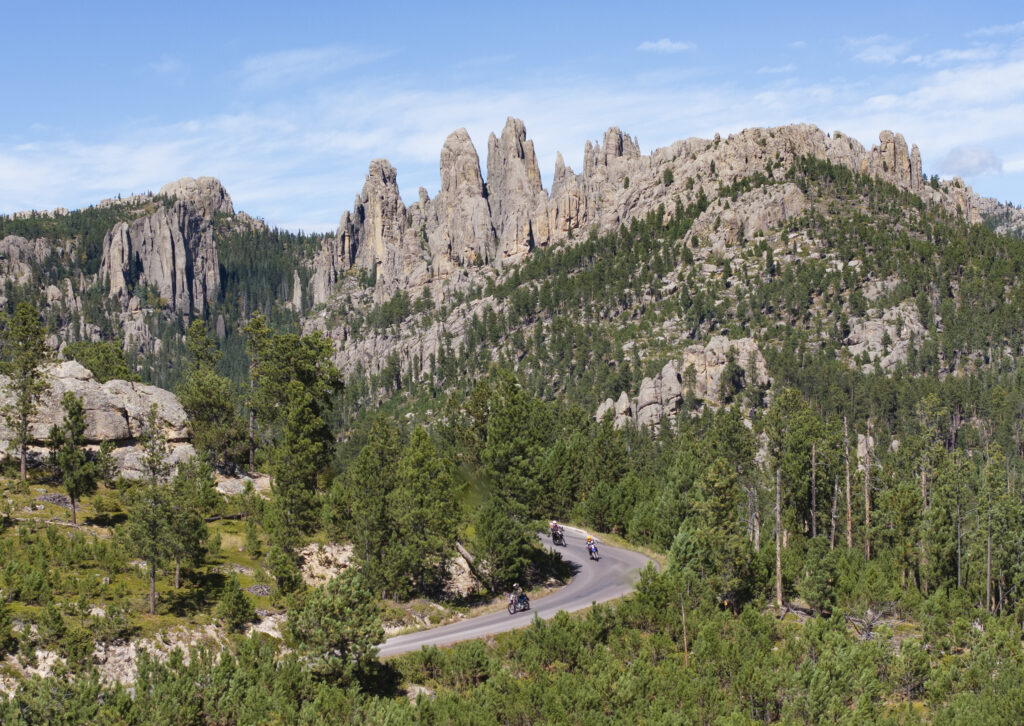
Public land access in the United States is unique and extraordinary. Millions of acres are open for exploration—but not guaranteed forever. One of the first questions posed by international travelers that visit the United States for the first time is “all of this is public land?”.
Public land closures don’t happen randomly. They occur when trails are damaged beyond repair, when trash accumulates in dispersed campsites, when sensitive habitats are disturbed, or when emergency resources are strained by preventable incidents. Each negative impact adds pressure to restrict or eliminate access altogether.
Responsible overlanders understand that access is earned and maintained. Traveling only on designated routes, packing out all waste, minimizing camp impact, and respecting seasonal closures are not just best practices—they are commitments to stewardship. When experienced travelers model responsible behavior, they influence others and strengthen the culture of care that protects wild places.
Education is what transforms recreation into stewardship. Knowledge equips individuals to make better decisions, reduce risk, and preserve access for everyone who follows.
How You can Be part of the solution
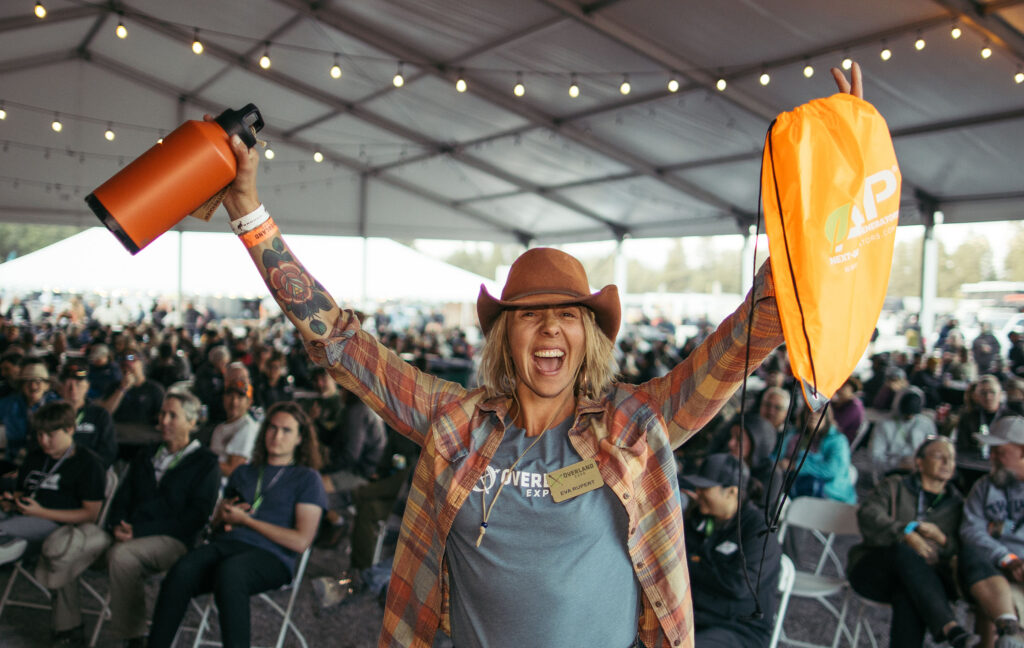
Whether you are just beginning your journey or have logged thousands of miles in the backcountry, you play a role in shaping the future of overlanding. The most powerful contribution you can make is prioritizing education—learning the skills that reduce environmental impact and increase safety.
Sharing responsible practices with others, mentoring new travelers, and supporting educational initiatives all help build a stronger, more sustainable community. Organizations like Overland Expo Foundation exist to expand access to this knowledge and reinforce a culture of accountability and respect.
One way you can be a part of making overlanding more sustainable is by donating to the Overland Expo Foundation. A one-time donation or a recurring donation help the foundation to fund projects around the globe.
Ultimately, the future of overlanding will not be determined by the most advanced vehicles or the most elaborate builds. It will be determined by the collective responsibility of the people behind the wheel.
The Future of Overlanding
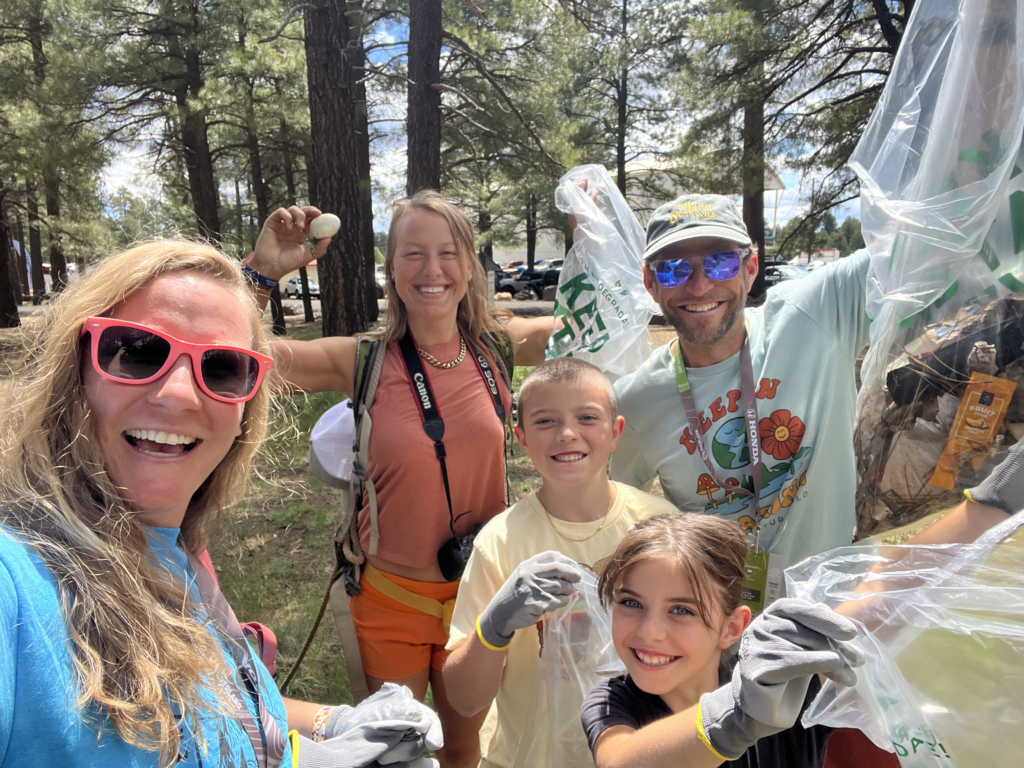
Overlanding continues to grow in popularity as more people discover the rewards of remote travel and self-reliant adventure. This growth brings opportunity—but also responsibility.
If guided by education and stewardship, the expanding community can strengthen public land advocacy, improve safety standards, and protect fragile environments. Without those guardrails, however, increased use can lead to closures, stricter regulations, and diminished access.
The mission of the Overland Expo Foundation is to ensure that growth strengthens rather than weakens the future of exploration. By investing in education, promoting responsible travel practices, and supporting conservation-minded initiatives, the foundation works to safeguard the wild places that make overlanding possible.
Start Your Overland Journey the Right Way
If you’re just getting started, remember that overlanding is not measured by distance or difficulty. It is defined by how responsibly you travel and how intentionally you move through the landscape. Learn the skills before chasing upgrades. Protect the places that inspire you. Travel with care, humility, and preparation.
If you want to get involved with shaping the education and conservation in overlanding spaces, consider supporting the Overland Expo Foundation by becoming an industry member or by making a recurring donation.